
Workshop Safety: Battery, Airbag & High-Voltage Precautions (2026 Pakistan Guide)
2026-11-09 14:04:10 · by MS Auto Tools
A car battery can explode. An airbag can fire with the force of a small bomb. A hybrid's orange cable carries enough voltage to kill. Yet in most Pakistani workshops, all three jobs are done every day with bare hands, no gloves and no written procedure — because "we have always done it this way."
That luck runs out eventually. A single airbag deployment during a steering repair can injure a technician and destroy a Rs 150,000 airbag module. A wrong battery swap on a 2023+ Corolla can wipe the ECU's learned values and light up the dashboard. A careless touch on a Prius high-voltage cable can stop a heart. This guide covers the battery, airbag and high-voltage precautions every Pakistani workshop should follow in 2026.
## 1. Battery Safety: The Job Every Workshop Underestimates
A 12V car battery looks harmless. It is not: a lead-acid battery holds enough current to melt a spanner, produces hydrogen gas while charging, and a short across the terminals can weld metal, spray acid and start a fire in seconds.
Always disconnect the negative terminal first and reconnect it last — this single habit prevents most accidental shorts. Wear safety glasses and gloves; acid in the eyes is a hospital emergency. Never smoke, weld or grind near a battery, and keep the area ventilated, especially when a battery is on charge.
Before disconnecting a battery on a modern car — Corolla Grande, Civic, Sportage or Tucson — warn the customer first: it can reset the clock, radio presets, power-window auto function and idle learn values. Worse, some cars need a battery registration or BMS reset after a new battery is fitted; on BMWs, Mercedes and many newer Toyotas, skipping it leaves the charging system overcharging the new battery and shortens its life to months. The Autel MaxiCheck MX900 (Rs 155,000 at MS Auto Tools) handles registration and BMS reset in minutes — a service you can charge Rs 2,000–3,000 for.
## 2. Airbag Safety: Treat Every SRS System as Loaded
An airbag is a controlled explosive: the inflator contains a pyrotechnic charge, and the module is armed whenever the battery is connected. Treat every airbag system as live until you have positively made it safe.
The golden rule: disconnect the negative battery terminal and wait at least 10 minutes (15 is safer) before touching any airbag component. The SRS control unit holds a reserve charge in its capacitors — that is what lets an airbag fire after a crash cuts the battery. Never probe an airbag connector with a multimeter or test lamp; the current from a standard meter can trigger deployment. Use only a scanner to read SRS fault codes.
Store a removed airbag module face-up, dry, away from heat and static, with nothing stacked on it. Never carry it by its wires or place it face-down — if it fires, it becomes a projectile.
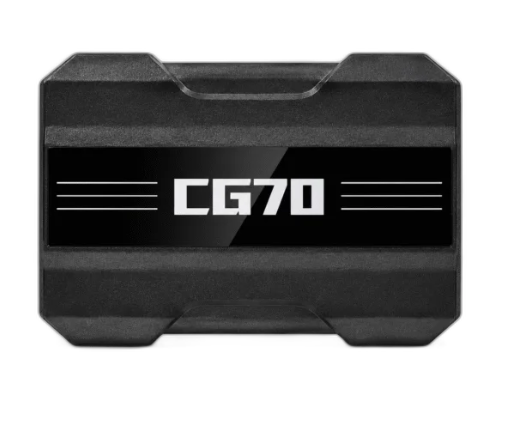
After any airbag job — clock spring on a Corolla, seat airbag on a Civic, crash-data reset — scan and clear the system with a proper tool. An SRS light that stays on means the system will not deploy in a crash. The CGDI CG70 Airbag Reset Tool (Rs 145,140, in stock at MS Auto Tools) clears crash data and fault codes without any welding or soldering. Pair it with the CG100 PROG III Full Version Airbag Restore Device (Rs 152,000) for deeper airbag module repair on older units. Both are genuine tools with warranty — and on airbag work, genuine matters most, because a counterfeit tool writing bad data into an SRS module can leave a car with no airbag protection at all.
**Mid-article CTA:** Workshop safety starts with the right tools. MS Auto Tools stocks genuine airbag reset tools, battery testers and diagnostic scanners with warranty and nationwide delivery — WhatsApp +92 300 0678111 for today's price.
## 3. High-Voltage Safety: Hybrids and EVs Are a Different World
Pakistan's roads now carry tens of thousands of hybrids — Toyota Prius, Aqua, Corolla Cross Hybrid, Honda Vezel — and the first EVs are arriving. Their high-voltage systems run at 200–400 volts DC, and that voltage is lethal.
First, identify the car before you touch it. Any car with an orange high-voltage cable, a "Hybrid" badge or an EV drivetrain is a high-voltage vehicle. Only trained staff should touch the high-voltage system. The workshop needs insulated gloves rated to 1,000V, a CAT III/IV multimeter and insulated tools — regular hand tools and cheap meters are not acceptable near a high-voltage battery.
Before any hybrid or EV work: switch the car off, remove the key, wait for the system to discharge, and follow the manufacturer's service-plug procedure to isolate the high-voltage battery. On a Toyota hybrid this is usually a service plug in the rear battery pack; on a Honda it may be a switch under the rear seat. Never assume the system is safe because the car is off — capacitors in the inverter hold charge for minutes after shutdown. Tag the car "High Voltage — Do Not Touch" while work is in progress, and never work alone on a high-voltage system.
For diagnostics, use a scanner with proper hybrid support. The THINKCAR THINKTOOL Expert 195 (Rs 250,000) reads hybrid battery cell voltages, state of health and inverter data on Prius, Aqua and Vezel — the numbers you need before advising a cell replacement or a full pack.
## 4. The Workshop Itself: Lifts, Tools and Housekeeping
Most workshop injuries do not come from batteries or airbags — they come from the building itself: a car falling off a lift, a slip on spilled oil, a grinder without eye protection. These happen every week in Pakistan.
Check lifts monthly: locks must engage, arms must be rated for the car's weight, and a leaking cylinder means the lift is out of service. Never work under a car supported only by a jack — axle stands are not optional. Keep the floor dry and clear of oil and loose tools. Store flammables in a ventilated cabinet away from welding and charging areas, and keep a serviced dry-powder (ABC) extinguisher within reach of every bay.
Eye protection is non-negotiable for grinding, cutting, hammering and working under a car; ear protection matters too — an impact gun at close range exceeds safe noise levels within minutes. Make wearing them a condition of working in the bay.
## 5. Electrical and Diagnostic Safety: Protecting the Car's Electronics
Modern cars are rolling computer networks. A careless jump start can fry an ECU worth Rs 100,000 or more. A cheap, counterfeit scanner can corrupt a module during coding. These are not theoretical risks — they happen in Pakistani workshops every month.
Jump-start correctly: positive to positive, negative to a solid earth point on the dead car's engine — never its negative terminal — using a proper jump pack or a donor car with the engine running. Never jump-start a frozen or visibly damaged battery. Afterwards, run a full system scan: a voltage spike can set fault codes in the ABS, airbag and transmission modules.
Only use genuine diagnostic tools. Counterfeit scanners sold cheaply online often run hacked firmware that writes corrupted data or bricks ECUs during updates — with no warranty and no one to call. MS Auto Tools sells only genuine tools with warranty and after-sales support. Where a wrong write can destroy a Rs 200,000 ECU, the saving on a fake tool is the most expensive saving in the workshop.
## 6. What to Do When Something Goes Wrong
Even a careful workshop will have an incident. What matters is the first two minutes.
For an acid splash: flush with clean water for at least 15 minutes and get medical help; do not rub the eyes. For an airbag deployment injury: check breathing, control any bleeding and call for help. For an electric shock: never touch the victim until the power is off — pull the service disconnect, then call emergency services and start first aid. For a fire: use the dry-powder extinguisher, evacuate the bay, and never use water on a fuel or electrical fire.
Keep a stocked first-aid kit visible, emergency numbers on the wall, and at least one first-aid-trained person on every shift.
## 7. Building a Safety Culture That Actually Sticks
Rules on a wall do not change behaviour. Habits do. Hold a five-minute safety talk every Monday morning. Make the senior technician check the lift locks, extinguisher dates and first-aid kit monthly. Reward the technician who reports a hazard — and never punish the one who stops an unsafe job.
Customers notice too: clean bays, proper stands and a scanner that reads SRS codes properly is a workshop customers trust with a Rs 3,000,000 car. Safety is not a cost — it is the cheapest marketing a workshop can buy.
## FAQ
**Q1. How long should I wait after disconnecting the battery before touching an airbag?**
At least 10 minutes — 15 is safer. The SRS control unit holds a reserve charge that can still fire an airbag after the battery is disconnected. Never skip the wait, and never probe an airbag connector with a multimeter.
**Q2. Can any scanner reset airbag crash data?**
No — most basic OBD scanners only read engine codes. Crash-data clearing and SRS resets need a dedicated airbag tool such as the CGDI CG70 (Rs 145,140) or the CG100 PROG III (Rs 152,000), both genuine from MS Auto Tools.
**Q3. Is it safe to jump-start a hybrid car?**
Jump-starting the 12V auxiliary battery follows the same rules as a normal car, but never touch the orange high-voltage cables or the hybrid battery pack. A high-voltage fault needs a trained hybrid technician, not a roadside jump start.
**Q4. Do I need special tools to work on hybrid and electric cars?**
Yes: insulated gloves rated to 1,000V, a CAT III/IV multimeter, insulated hand tools and a scanner with proper hybrid support, such as the THINKCAR THINKTOOL Expert 195 (Rs 250,000). Standard tools are not safe near a 200–400V system.
**Q5. Why does my car need a battery registration after a new battery is fitted?**
On many 2020+ cars the charging system adapts to the battery's age. Without registration it overcharges the new battery and can cut its life to months. The Autel MaxiCheck MX900 (Rs 155,000) performs battery registration and BMS reset in minutes.
**Q6. How can I tell if a diagnostic tool is counterfeit?**
Buy only from an authorised seller, check the serial number with the manufacturer, and beware of prices far below market rate. Counterfeit scanners can brick ECUs and carry no warranty. MS Auto Tools sells genuine tools with warranty — WhatsApp +92 300 0678111 to verify any tool before you buy.
**Closing CTA:** Make your workshop the safe one customers trust. Get genuine airbag reset tools, battery testers and hybrid-capable scanners from MS Auto Tools — with warranty and delivery across Pakistan. WhatsApp us today on +92 300 0678111 for prices and a recommendation matched to your workshop.