AdBlue/SCR & Emissions Diagnostics: What Diesel Workshops Need to Know (2026 Pakistan Guide)
2026-10-27 18:00:57 · by MS Auto Tools
# AdBlue/SCR & Emissions Diagnostics: What Diesel Workshops Need to Know (2026 Pakistan Guide)
What does a diesel workshop in Pakistan actually need to diagnose AdBlue and SCR faults in 2026? A professional scanner with NOx live data and bi-directional dosing tests, a methodical workflow that checks fluid, injector and sensors before condemning the catalyst, and certified AdBlue in stock. With those three things, most SCR jobs — on the Fortuner, Hilux, Sportage and Tucson diesels filling our roads — become routine, profitable work instead of a mystery that gets sent to the dealership.
## Why Diesel Emissions Systems Fail So Often in Pakistan
Modern diesels sold in Pakistan — Toyota Fortuner 2.8, Hilux Revo, Kia Sportage and Hyundai Tucson diesels, plus imported SUVs — carry exhaust after-treatment designed for clean fuel and long highway runs. Pakistani reality is different, and that gap causes most faults.
Fuel quality varies, and high-sulphur or adulterated diesel raises soot output, loading the diesel particulate filter (DPF) faster than expected. Driving patterns work against the system too: short city trips in Karachi, Lahore or Islamabad never let the exhaust get hot enough for proper DPF regeneration, so soot keeps building. AdBlue itself is sensitive — diesel exhaust fluid is a precise 32.5 percent urea solution, and fluid stored in heat, topped up from an unsealed container, or left to crystallise around the injector nozzle causes dosing faults. Add dust, stop-start traffic and long idling in summer heat, and warning lights every few thousand kilometres are almost guaranteed.
The workshop that understands these systems and can prove a diagnosis with live data will win the customer, because dealerships often quote a full replacement where a cleaning, a sensor or a reset would do.
## How AdBlue and SCR Actually Work (In Plain Language)
SCR stands for Selective Catalytic Reduction — the system that cuts nitrogen oxide (NOx) emissions from diesel exhaust, with AdBlue as the fluid that makes it possible.
Exhaust gas passes through the DPF, which traps soot. Just before the SCR catalyst, a dosing injector sprays AdBlue into the hot exhaust. Above roughly 200 degrees Celsius, the urea breaks down into ammonia, which reacts with NOx inside the catalyst and converts it into harmless nitrogen and water vapour. Two NOx sensors — before and after the catalyst — measure efficiency, and the ECU adjusts dosing many times per second.
Three things must all be right: good-quality AdBlue in the correct quantity, a dosing injector that sprays cleanly, and NOx sensors that report honestly. If any one drifts, the ECU logs a fault and, in many models, starts a countdown — typically 1,000 to 2,400 kilometres — after which the car will refuse to restart until repaired.
## The Warning Signs Owners Bring You
Most SCR jobs arrive with one of five complaints, and each points your diagnosis in a different direction.
An AdBlue warning is the most common. A Fortuner 2.8 uses roughly 1 to 1.5 litres per 1,000 kilometres, so a full tank lasts around 8,000 to 12,000 kilometres. If the tank is full and the warning persists, suspect the level sensor, a crystallised injector, or poor fluid quality.
A "NOx sensor" or "emissions system fault" message with no drivability change usually means a sensor or dosing fault caught early. Power loss or limp mode usually means the fault was ignored through several drive cycles and the ECU has escalated its response. An ammonia smell, white crystalline deposits near the dosing injector, or a visible leak points straight at the dosing module. And a DPF warning alongside an SCR code tells you the two systems are interacting: a blocked DPF raises back-pressure and changes exhaust temperature, throwing SCR readings off.
Never clear the codes and hand the car back without a road test: a fault cleared at idle regularly returns within 30 to 50 kilometres, with the countdown shorter.
## A Step-by-Step Diagnostic Workflow That Works
Good SCR diagnosis is methodical, not expensive. Follow the same sequence every time and you will avoid the classic mistake of replacing a Rs 80,000 NOx sensor when the real fault was a Rs 15,000 dosing injector.
First, interview the owner: when did the light appear, was AdBlue recently topped up and from where, has the car done short trips only, has anyone cleared the codes? Second, read all fault codes — SCR, DPF, engine and dosing-module codes together — and record freeze-frame data before clearing anything. Third, check the basics physically: fluid level and condition, crystallisation at the injector, wiring to both NOx sensors, and exhaust leaks upstream of the sensors.
Fourth, watch live data: compare upstream and downstream NOx at steady cruise. A healthy system shows a 70 to 90 percent drop across the catalyst. If both readings are nearly identical, the catalyst is not converting — suspect dosing, fluid or a dead catalyst. If the upstream reading itself is implausible, suspect the sensor. Fifth, test dosing actively: a professional scanner with bi-directional control can command the injector to spray and verify the change in downstream NOx, separating a dosing fault from a catalyst fault in minutes — a test a basic code reader cannot do.
Finally, repair in the right order — clean or replace the injector, replace the faulty sensor, refill with certified AdBlue, force a DPF regeneration if needed, and reset the learned values specified. Then road-test at least 30 kilometres, including a highway stretch, and re-read the codes before delivery.
Thinking of adding diesel emissions diagnosis to your workshop? Talk to MS Auto Tools on WhatsApp at +92 300 0678111 — we supply genuine diagnostic tools with warranty and can help you pick the right scanner for the diesel models you see most.
## The Fault Codes That Matter Most
These families cover most SCR work in Pakistan. P20EE/P20E8 codes mean SCR NOx efficiency below threshold — check dosing, fluid quality and catalyst in that order. P204F/P2047 and dosing-circuit codes point at the injector circuit: check injector, wiring and dosing pump. P203D codes mean the ECU believes the tank is empty even when full. P229F codes mean a NOx sensor fault — compare live readings before replacing it. P2463 codes mean DPF soot restriction, which must be fixed before judging SCR efficiency. Always diagnose the first code in the freeze-frame sequence, and treat any code returning immediately after clearing as a hard, present fault.
## DPF vs SCR: Do Not Confuse the Two Systems
Customers — and some workshops — call every diesel warning light a "DPF problem". The distinction matters because the fix differs completely. The DPF traps soot; its faults are about blockage, fixed by forced regeneration, a sensor, or filter cleaning. SCR reduces NOx gas; its faults are about chemistry — dosing, fluid, sensors, catalyst — fixed by dosing repair, fluid replacement or a sensor, not a regeneration. A car can have both problems at once: fix the DPF restriction first, then re-evaluate SCR efficiency.
## The Tools You Need (And What They Cost in Pakistan)
You need a scanner that reads manufacturer-level diesel codes, shows NOx and AdBlue live data, and offers bi-directional dosing tests. A generic Rs 5,000 code reader will show a code and stop there — not enough to sell an SCR repair with confidence.
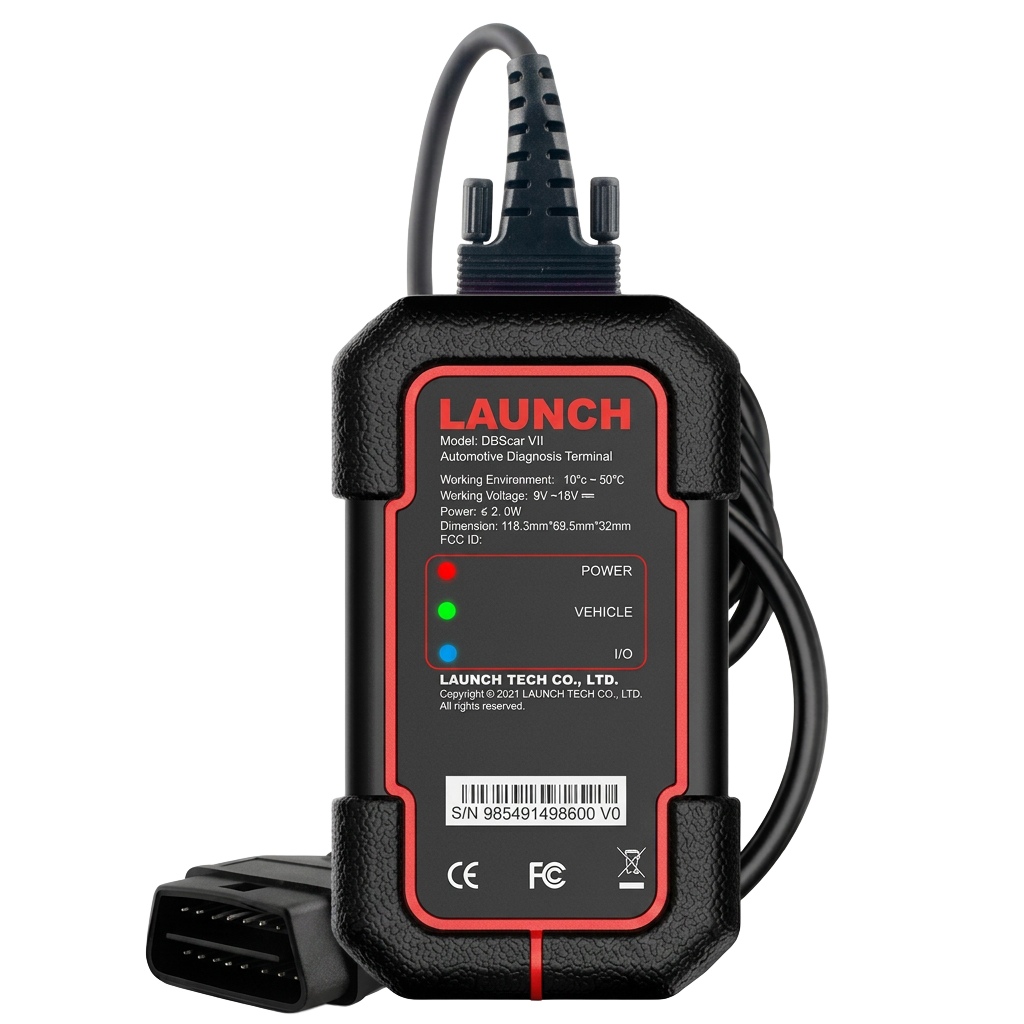
For a workshop starting out, the Launch DBScar VII Bluetooth scanner at Rs 75,000 is a strong entry point: full-system diagnostics with CAN FD and DoIP support. See it at https://msautotools.com/product.php?slug=launch-dbscar-vii-dbscar7. For a busy diesel workshop wanting dealer-level depth, the THINKCAR-THINKTOOL Expert 195 at Rs 250,000 offers OE-level full-system diagnostics. See it at https://msautotools.com/product.php?slug=thinkcar-thinktool-expert-195. Both are genuine units from MS Auto Tools, with warranty — critical, because cloned scanners can misreport NOx values or fail dosing tests. Be suspicious of any "original" scanner priced at half the market rate.
Both tools pay for themselves quickly. A proper SCR diagnosis typically bills at Rs 3,000 to Rs 5,000; a NOx sensor replacement at Rs 60,000 to Rs 120,000 depending on model; a dosing injector service or replacement at Rs 25,000 to Rs 60,000. Two or three SCR jobs a week transforms a diesel bay's economics.
## What to Tell the Customer (And What to Charge)
SCR customers are anxious because of the restart countdown, so communication is half the job. Explain the system in one minute, show them the live data — before-and-after NOx readings persuade better than any explanation — and give a written quote separating diagnosis, parts and labour. Warn them: use certified fluid from a sealed container, never top up from an open drum, and never let the tank run dry, as that can damage the dosing pump. Advertise the service explicitly — "Diesel emissions, DPF and AdBlue diagnosis" on your board and WhatsApp status will bring in work that currently drives past your door.
## Frequently Asked Questions
How often should AdBlue be topped up in Pakistan?
Typically every 8,000 to 12,000 kilometres — roughly 1 to 1.5 litres per 1,000 kilometres for a Fortuner or Hilux 2.8. Check the level at every service, not just when the warning appears.
What happens if I ignore the AdBlue warning?
Most models start a countdown of 1,000 to 2,400 kilometres. At zero, the car will not restart until repaired, and ignoring it risks catalyst damage that turns a sensor job into a far costlier replacement.
Can I use any urea solution instead of branded AdBlue?
No. AdBlue must be certified 32.5 percent urea meeting ISO 22241. Homemade or diluted mixtures crystallise, damage the injector and trigger efficiency faults. Always buy sealed, certified fluid.
Why does my DPF light come on as well as the SCR warning?
The two systems share the exhaust. A blocked DPF changes temperature and flow, disturbing SCR readings. Fix the DPF restriction first, then re-check SCR efficiency.
Can a normal OBD scanner diagnose SCR faults?
A basic reader can show a code, but proper diagnosis needs live NOx data, AdBlue dosing values and bi-directional dosing tests — which is why workshops use professional tools like the Launch DBScar VII or THINKCAR Expert 195.
Is it safe to delete or bypass the SCR system?
No. Tampering with emissions controls can void warranty, cause inspection failure where testing applies, and usually creates more faults than it solves. Diagnose and repair the system properly instead.
## Final Word
Diesel emissions diagnosis is no longer a niche — it is core workshop work in 2026. Diagnose methodically, prove every repair with live data, use genuine tools and certified fluid, and price the service fairly. Your customers will stop fearing the warning light — and start recommending you to every other diesel owner they know.
Ready to add diesel emissions diagnosis to your workshop? Message MS Auto Tools on WhatsApp at +92 300 0678111 today — tell us which diesel models you service most, and we will recommend the genuine diagnostic tool that fits your workshop and your budget, with warranty and after-sales support across Pakistan.